The Monkey Lady's Gift book cover

A Memoir from Ometepe Island, Nicaragua

The Monkey Lady's Gift

by Debbie Goehring

Those who cross between worlds are never entirely one thing or the other again.

Get Your Copy
The Monkey Lady's Gift by Debbie Goehring, book cover showing life on Ometepe Island, Nicaragua

The Monkey Lady's Gift

What happens when you leave behind everything you know, your country, your comfort, your certainties, and step into a life you never imagined?

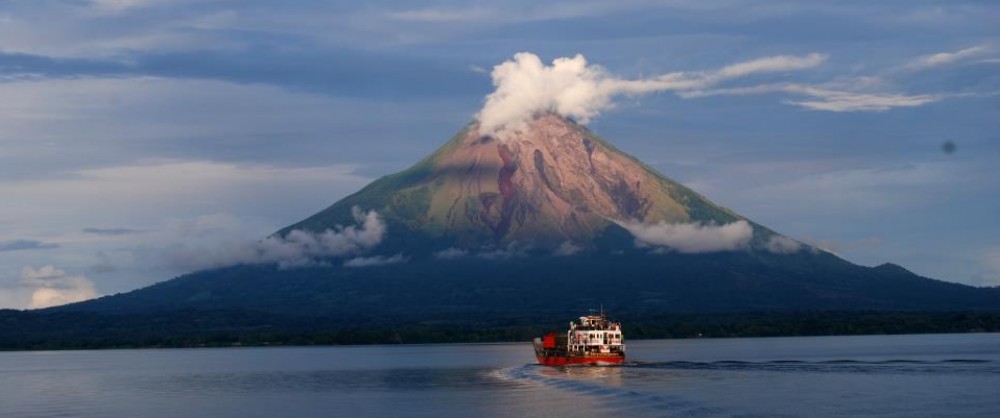
In The Monkey Lady's Gift, Debbie Goehring tells the story of her extraordinary journey from the United States to Ometepe Island, a remote volcanic island in the middle of Lake Nicaragua. This is not a tale of luxury expat living behind gated walls. This is the raw, real, sometimes heartbreaking and often joyous story of true cultural immersion: learning to speak, eat, work, and love in a world utterly different from the one she left behind.

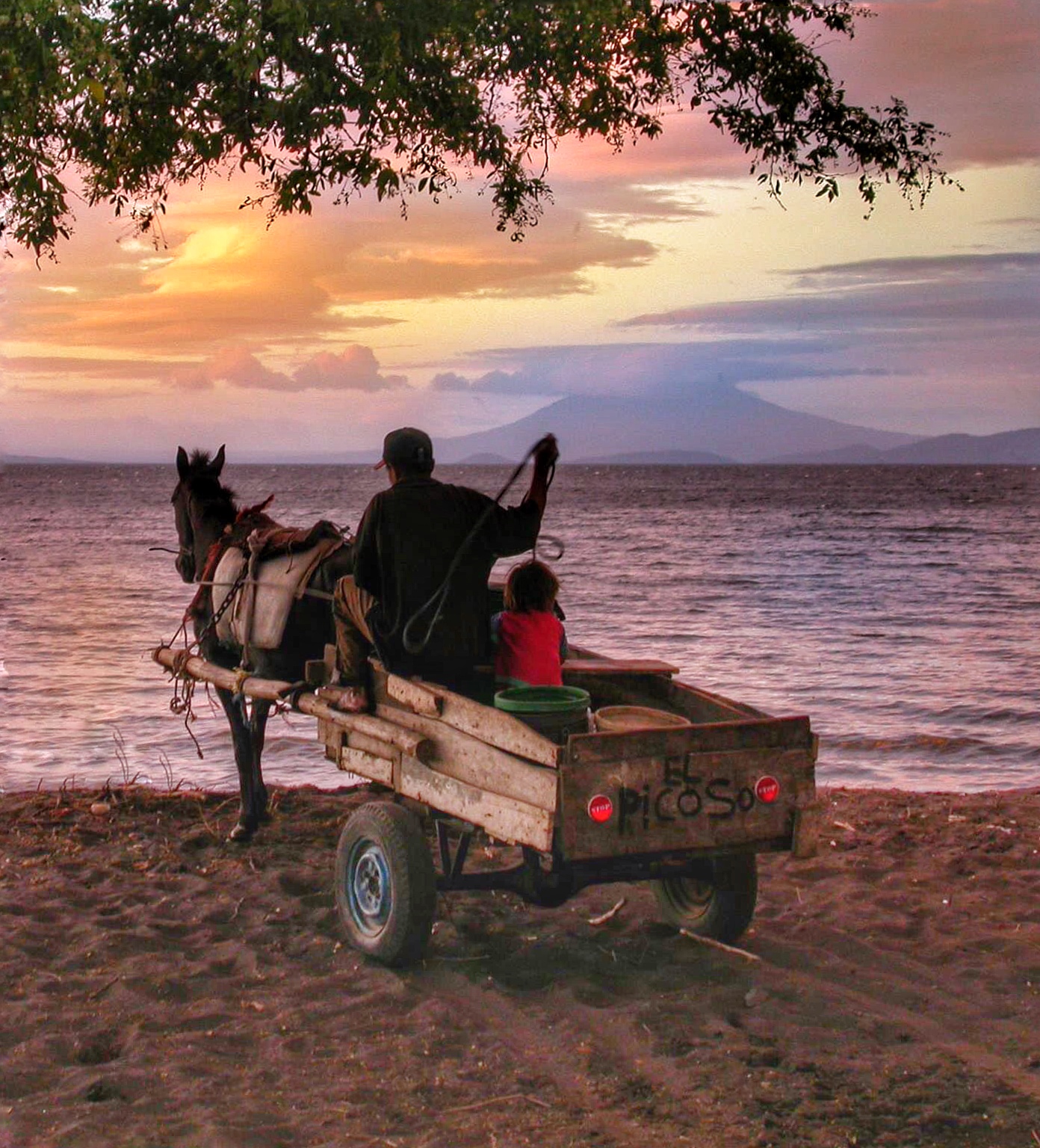
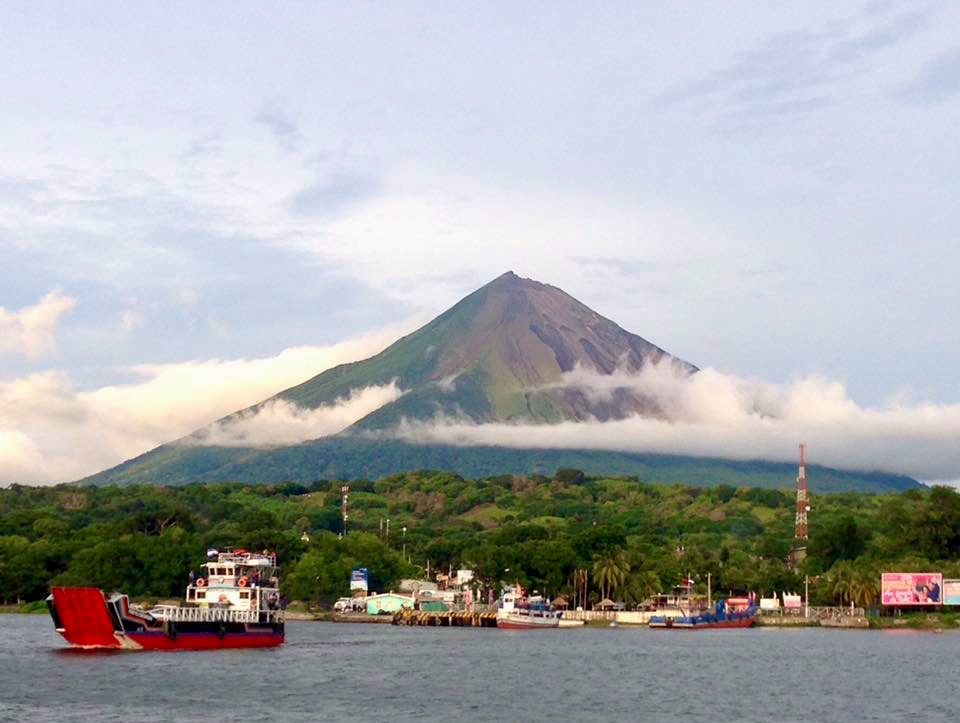
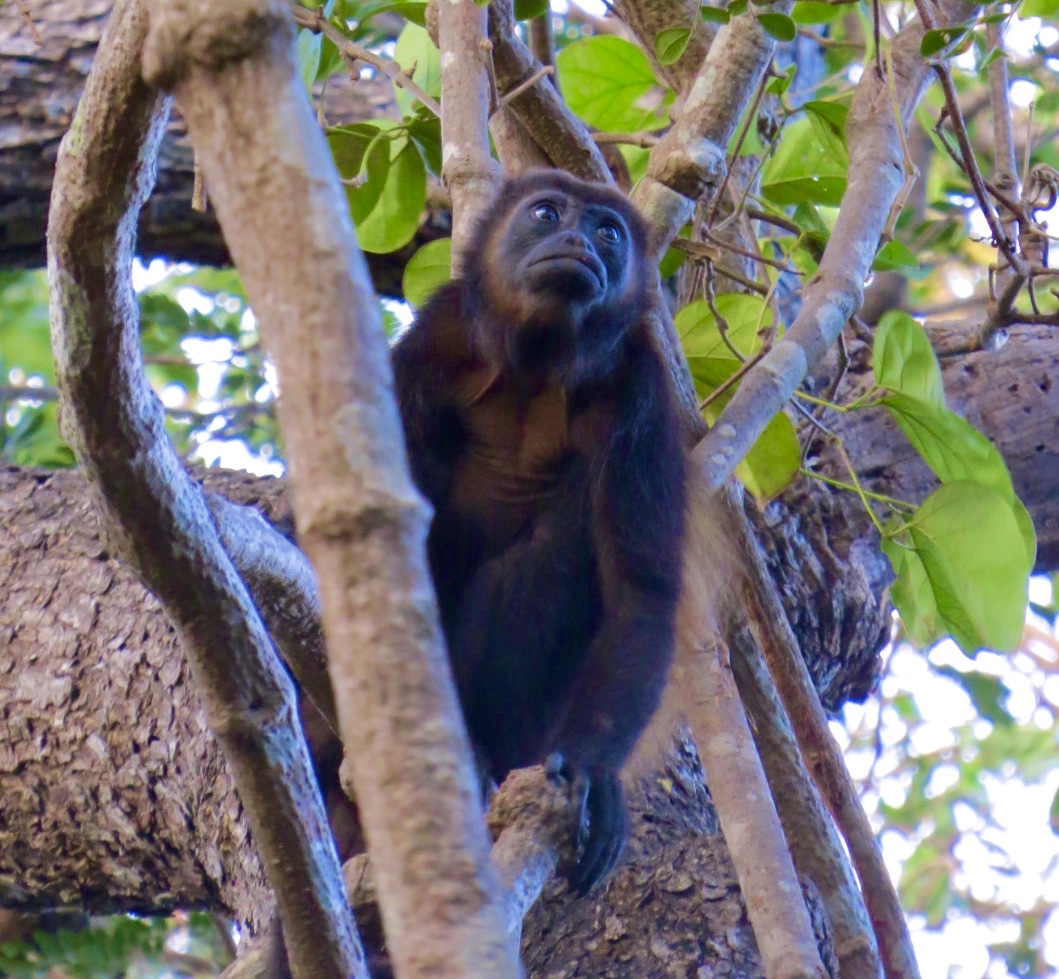
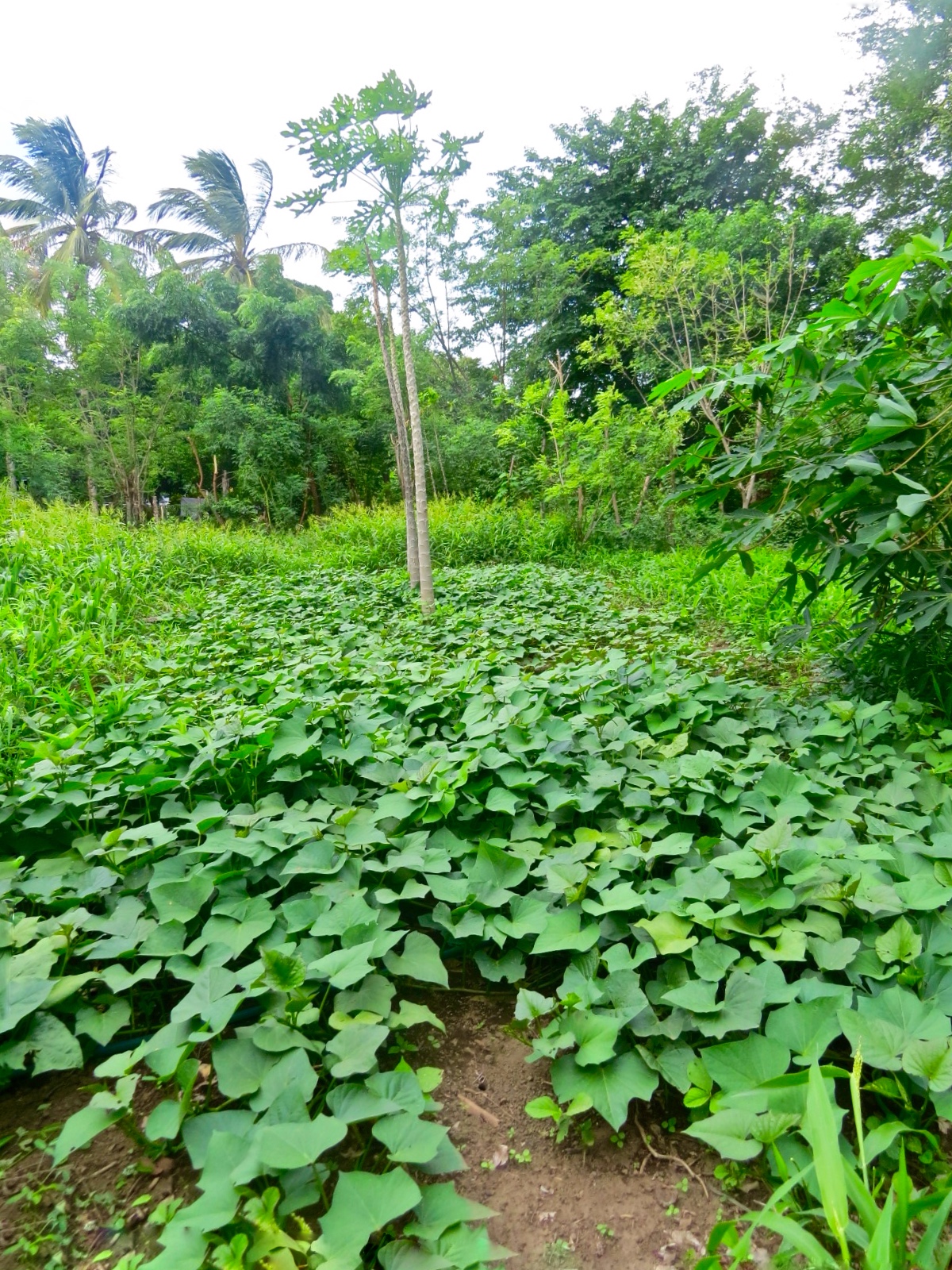
Between the twin volcanoes of Concepcion and Maderas, Debbie found something she never expected: a community that adopted her, howler monkeys that became her family, and a purpose that gave her the nickname that would define her new life: The Monkey Lady.

This book is for anyone who has ever dreamed of starting over, for anyone curious about what life looks like when you strip away the familiar, and for anyone who believes that the greatest gifts come from the most unexpected places.

Order Now on Amazon
Author Photo

Debbie Goehring

Debbie Goehring was the woman with the color-coded calendar. A Special Education teacher in Tennessee who mapped contingencies for contingencies and arranged her entire adult life into tidy, manageable increments: lesson plans, five-year projections, sensible shoes. She did not leap. She researched, outlined, and rehearsed.

Then, in her early fifties, she and her husband Ron did something that defied everything she had ever been. They sold their cars, gave away their winter clothes, left secure teaching jobs, and boarded a plane to Nicaragua with five suitcases, two words of Spanish, and no return date. Their son Cory, twenty-two years old, quietly moved back into their house to cover the mortgage they were no longer paying.

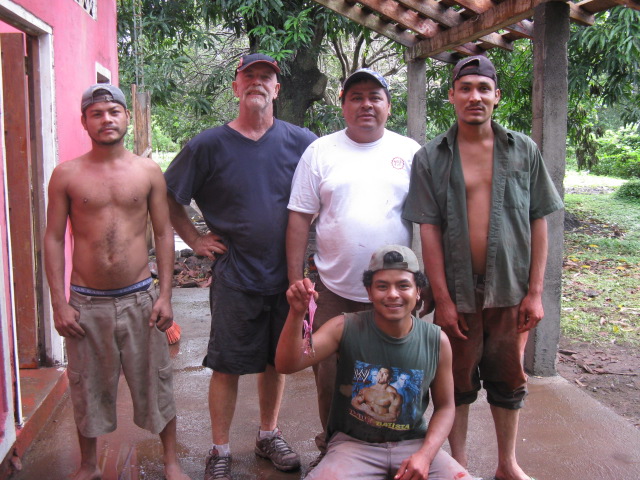
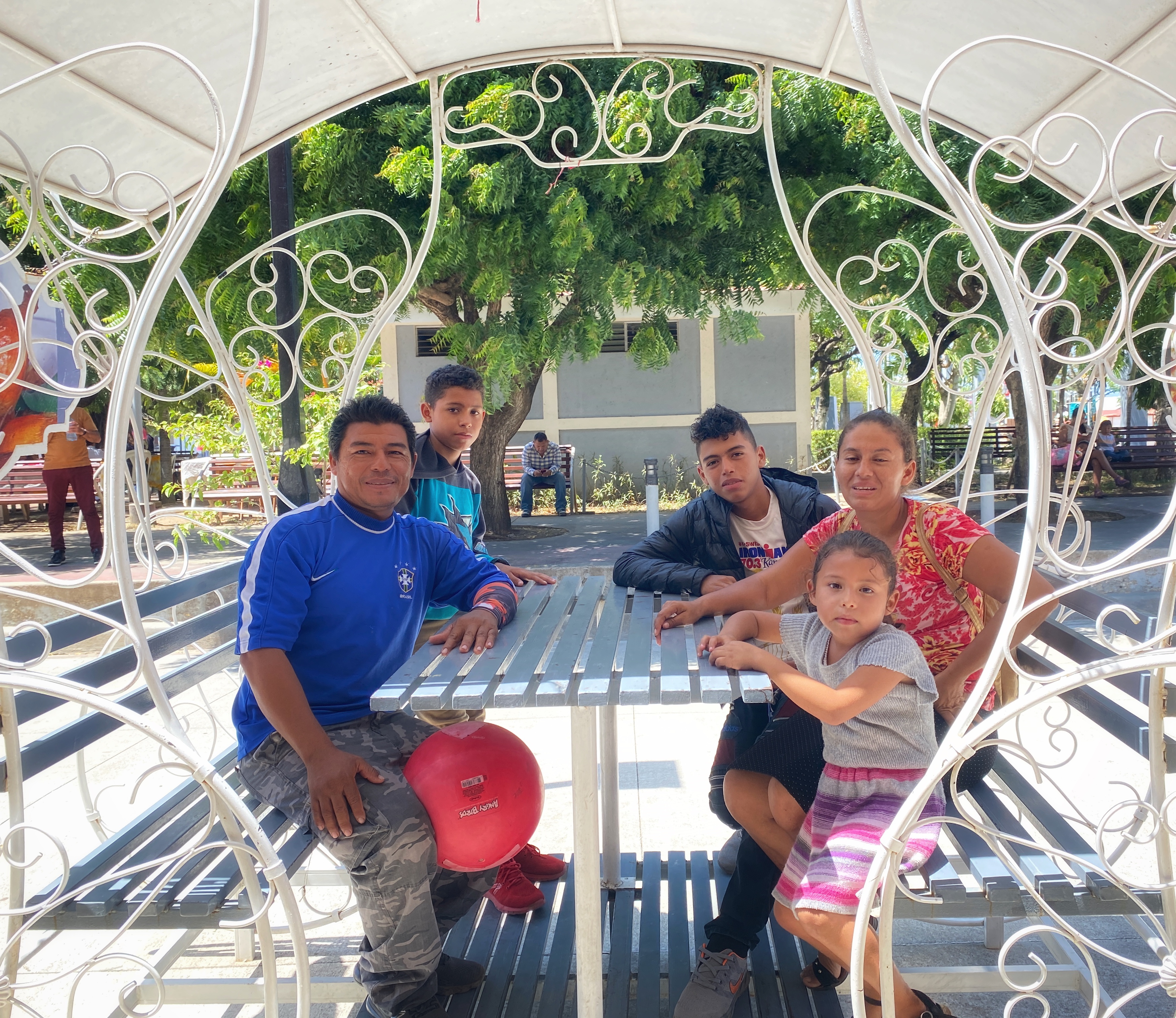
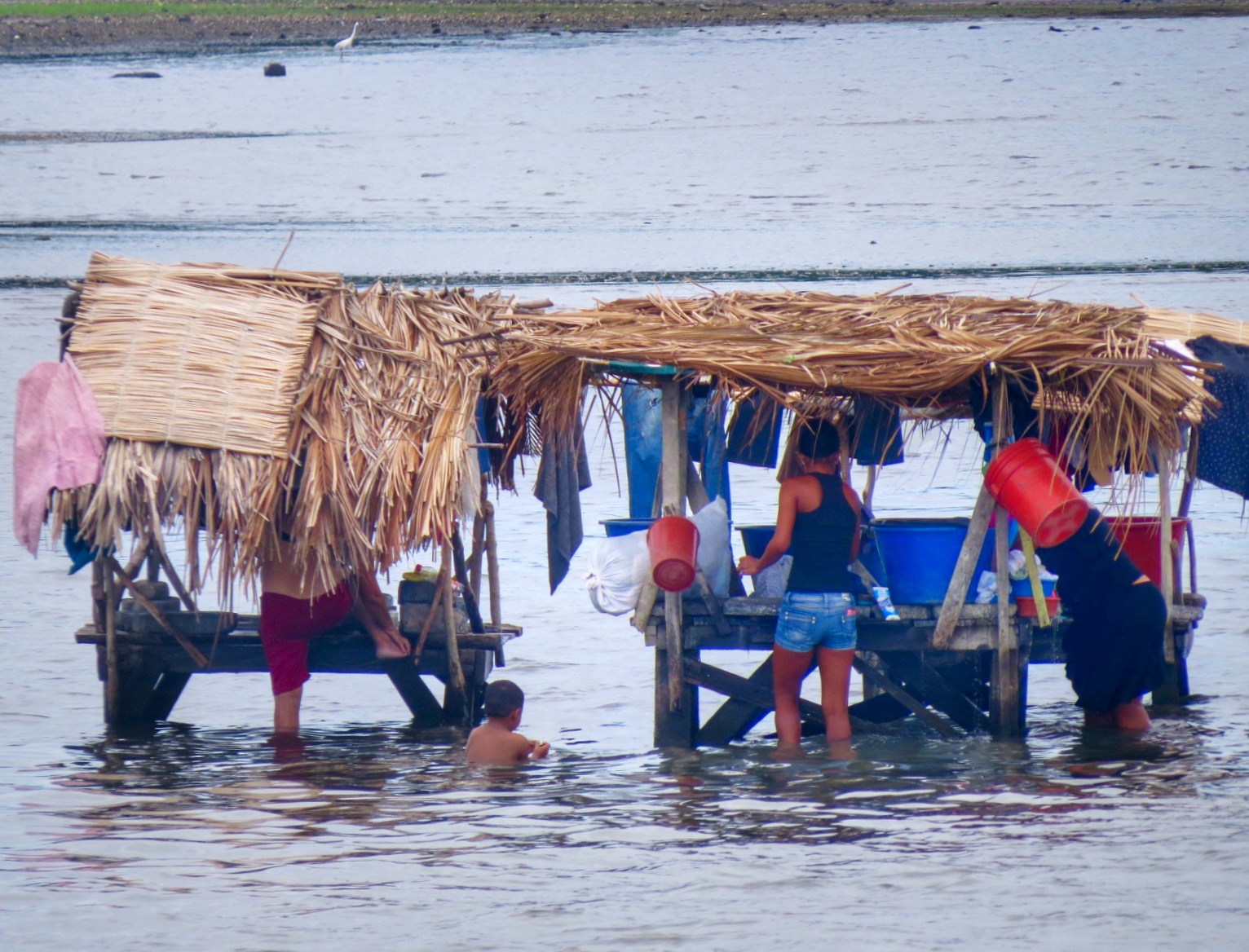
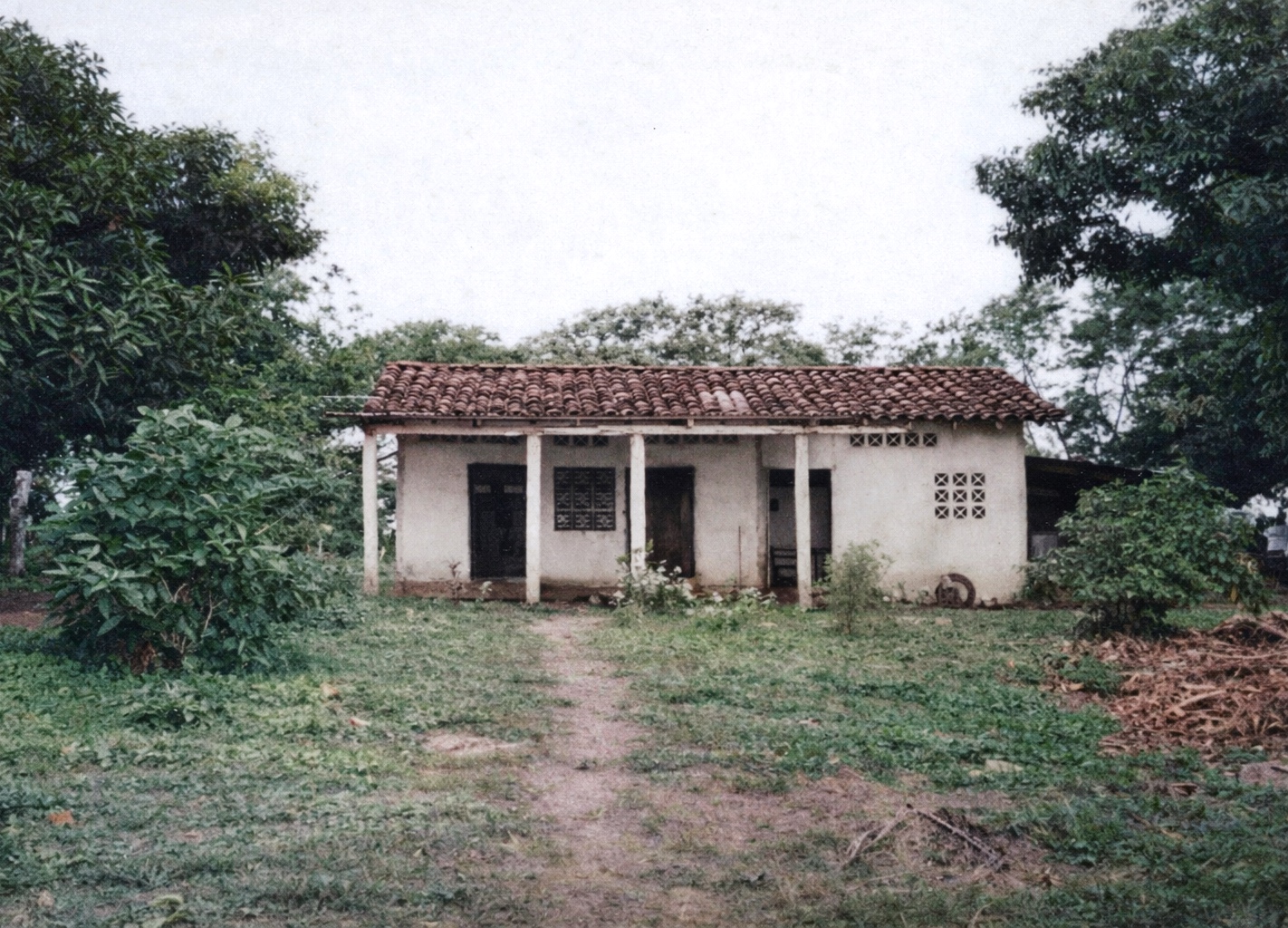
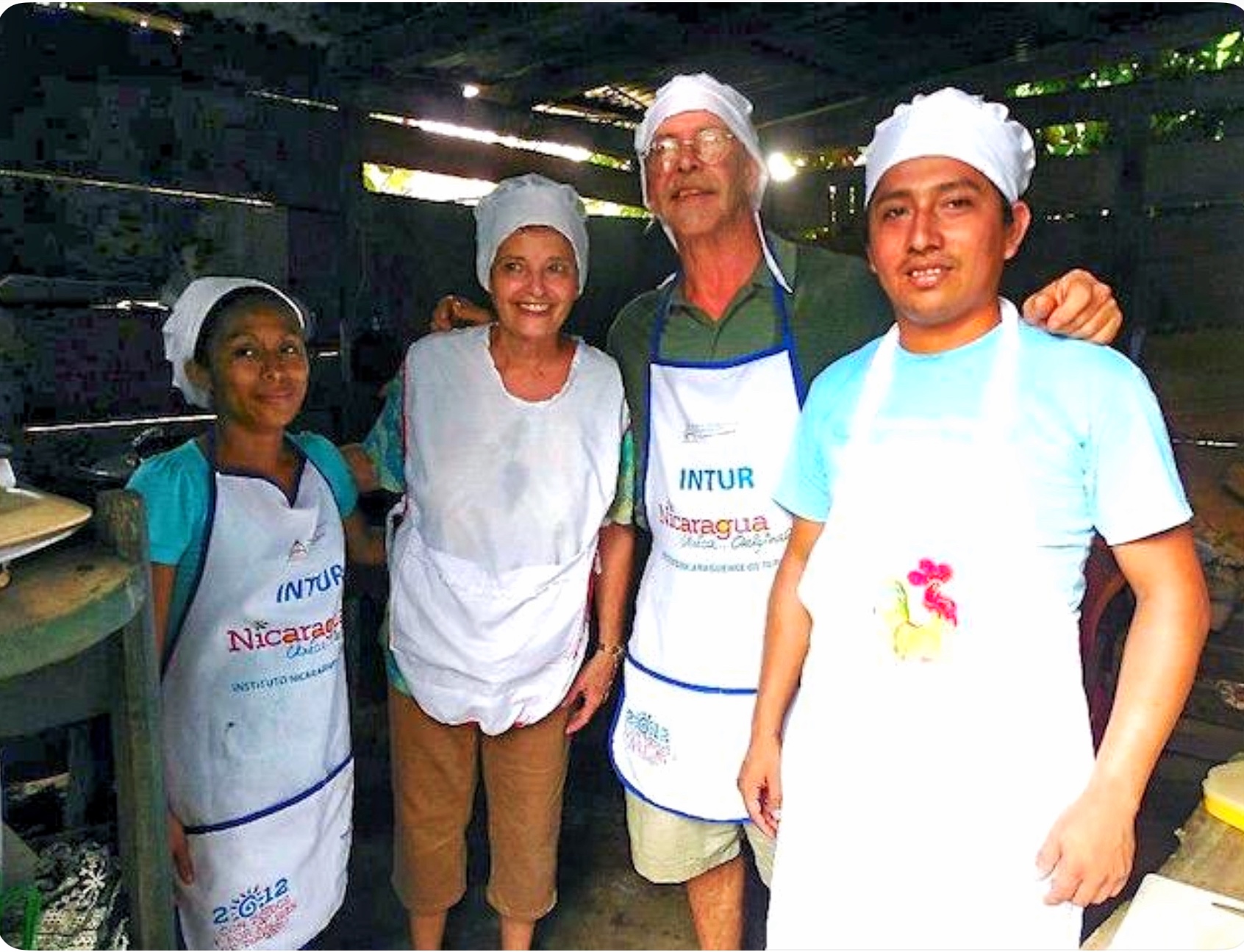
On Ometepe Island, a figure-eight of volcanic land in the middle of Lake Cocibolca, Debbie and Ron managed a backpacker hostel, lived in a concrete shack with three front doors on the beach, taught English to local teenagers, built a children's library from a converted rice bodega, and were eventually declared by their neighbor Margarita: "They are not gringos. They are Nicaraguan and part of our family."

On Ometepe, they tell of La Mujer Mono, a woman who crosses between worlds and is never entirely one thing or the other again. Debbie heard the legend in her first weeks and filed it away as folklore. It took her years to understand it was a description. The Monkey Lady's Gift is the reckoning with that transformation: a decade of living deliberately between two volcanoes, written with more of the light on.

Excerpts from the Book

Real passages from the memoir. The full story spans a decade, two volcanoes, and a life turned inside out.

From the Prologue

Standing in the Lake

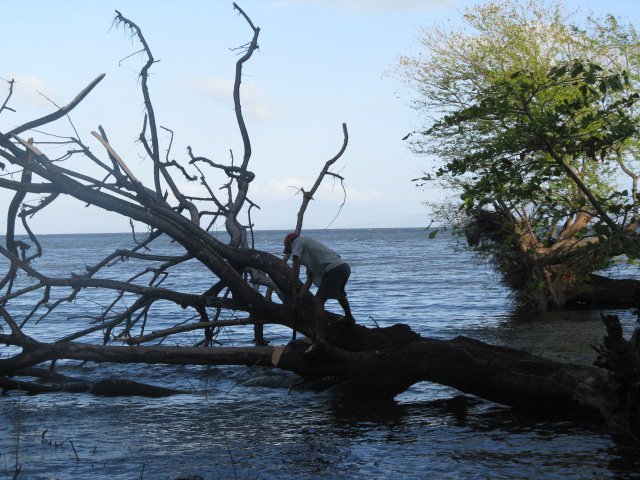
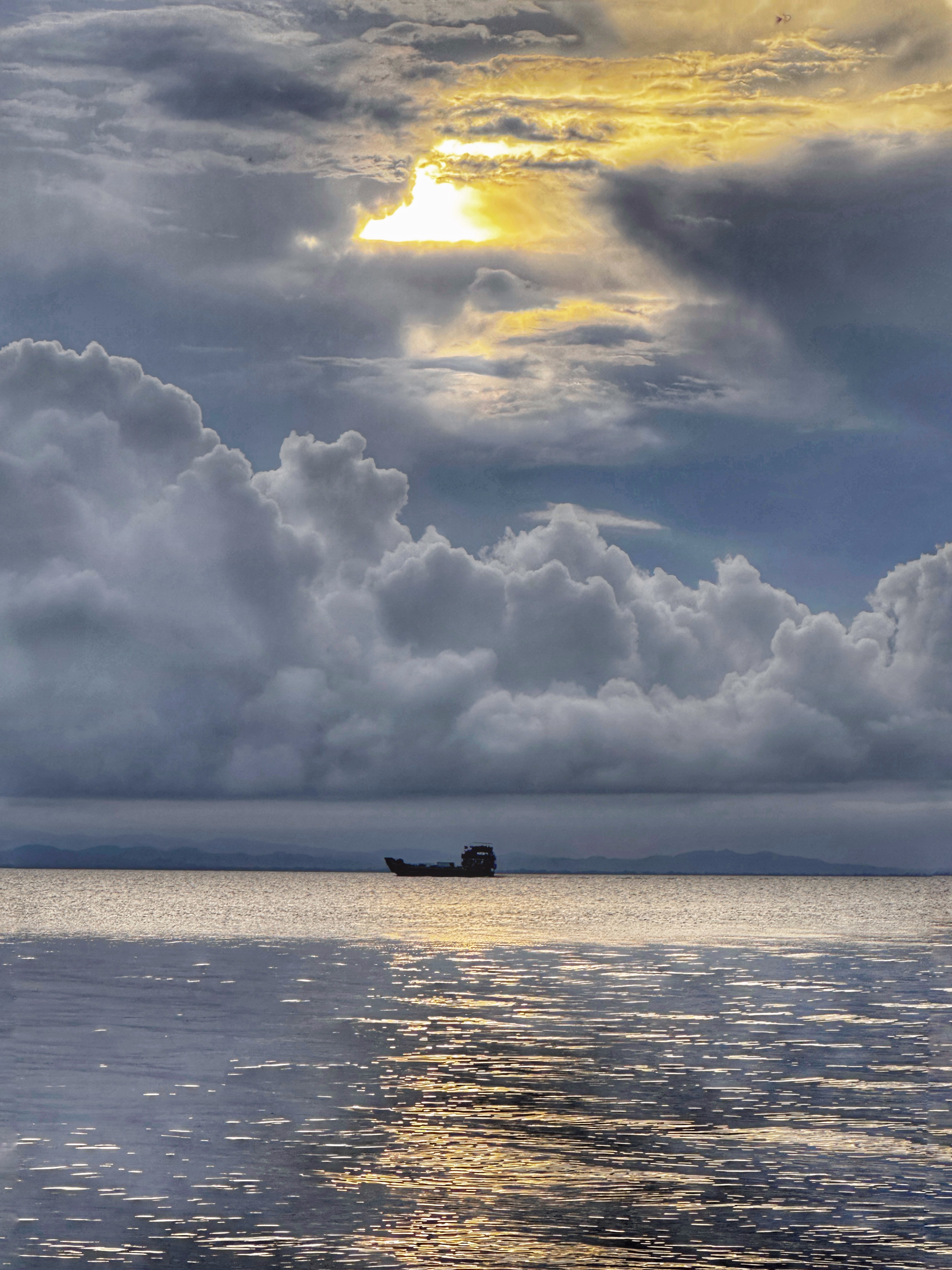
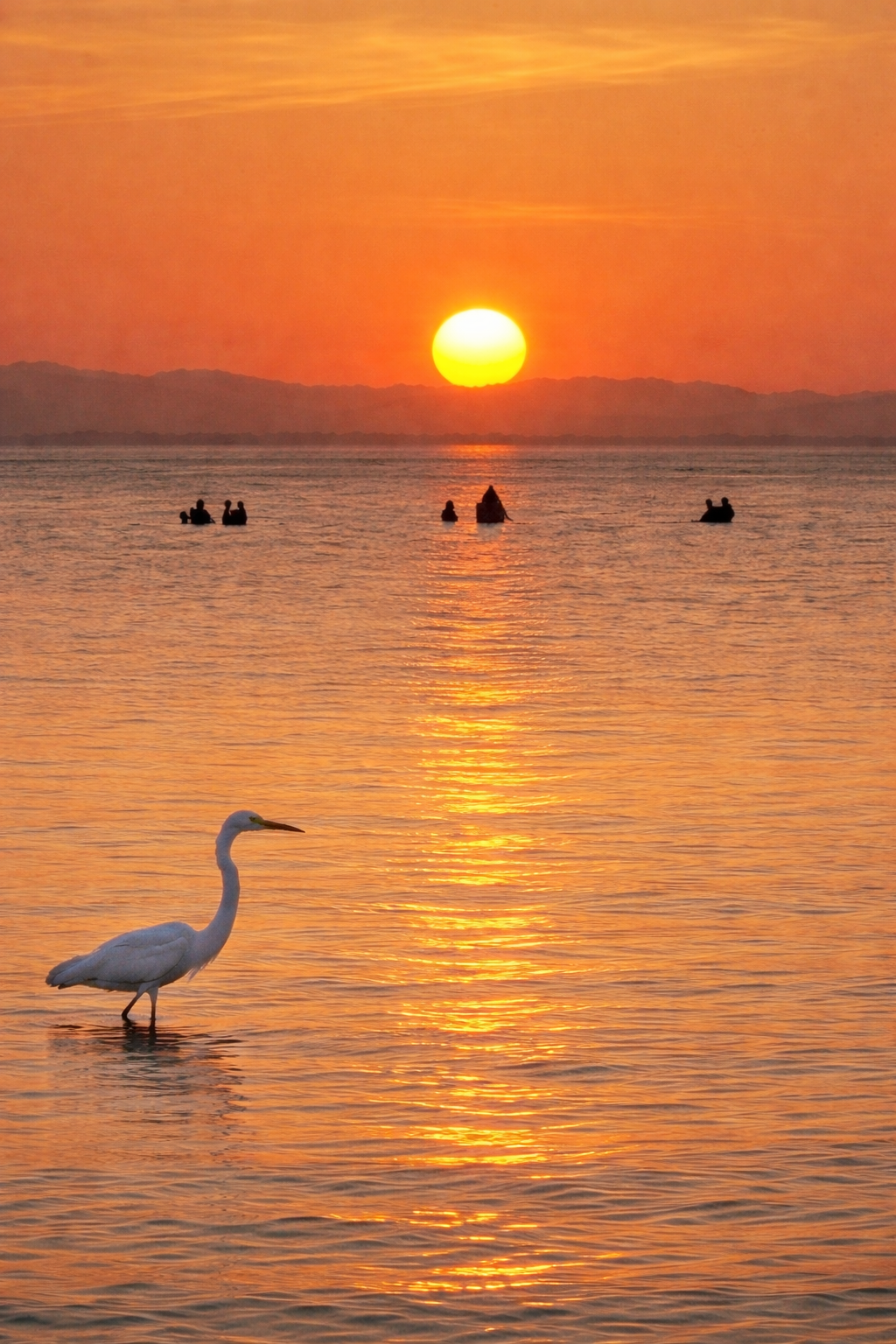
The morning I understood I had become someone else, I was standing waist-deep in Lake Cocibolca, watching a white egret pick its way along the shoreline with the unhurried confidence of a creature that has never doubted its place in the world. On my left wrist, where a watch used to live, there was only a tan line.

From Chapter Three

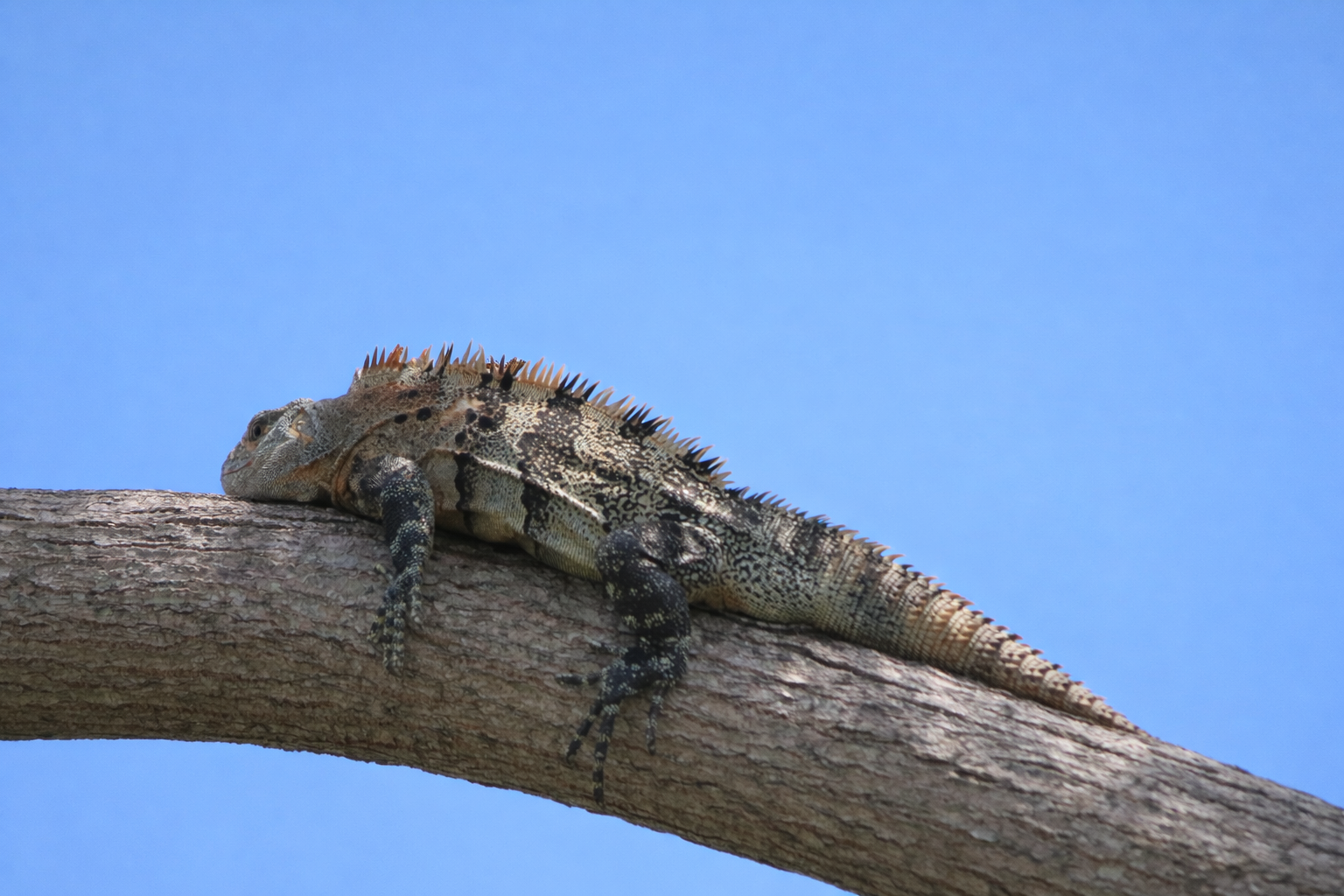
The Iguana

I woke to scratching. A slow, deliberate scraping against the screen window of our concrete bedroom. Ron was already awake. I felt him reach under the bed for the machete. He was up, flashlight in one hand, machete in the other, moving toward the window naked like some deranged suburban warrior.

Want to read more?
The full story is in the book.

Get the Book
From Chapter Two

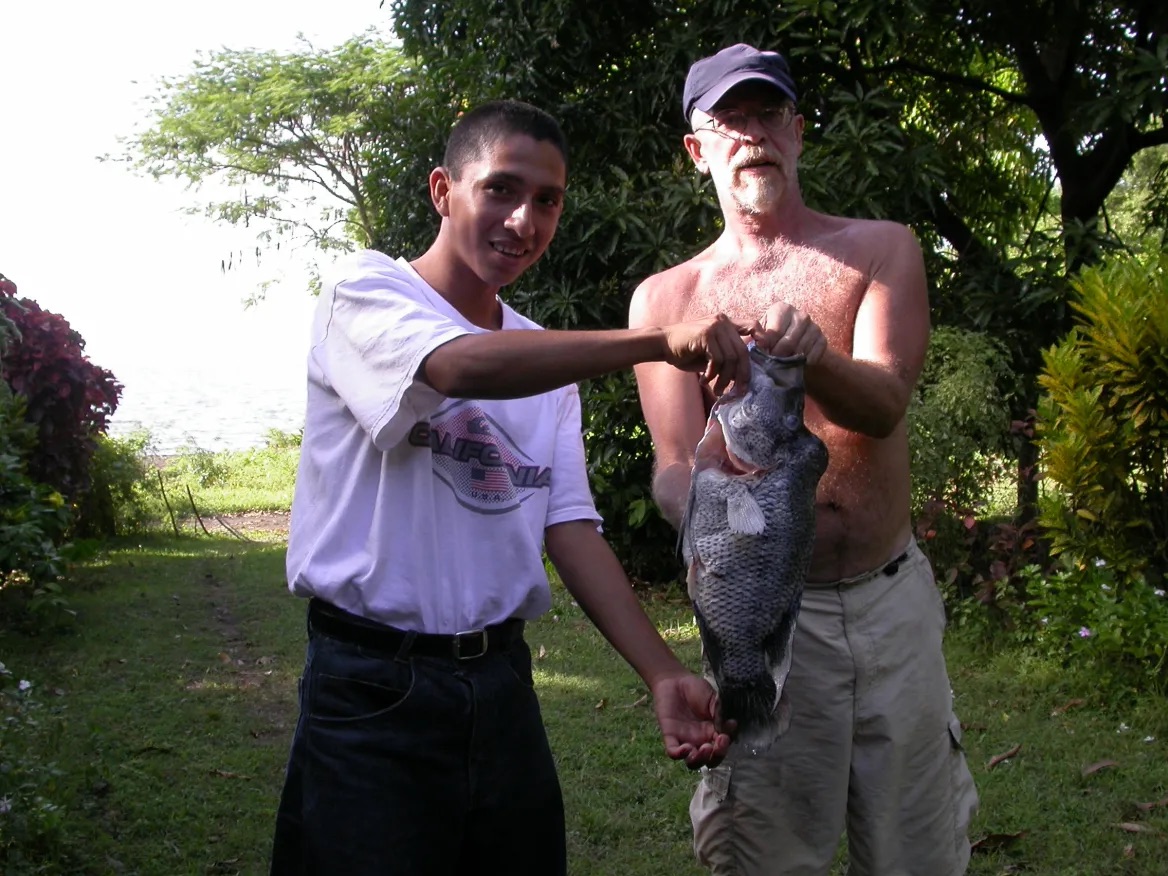
Tired from Fishing

One afternoon I was sitting at the bar when the regulars asked, "Where is Ron?" I tried to answer in my carefully assembled Spanish. He was tired, I explained. He had been up early. He went fishing. But something in my conjugation went wrong. The men erupted in laughter.

From Chapter Four

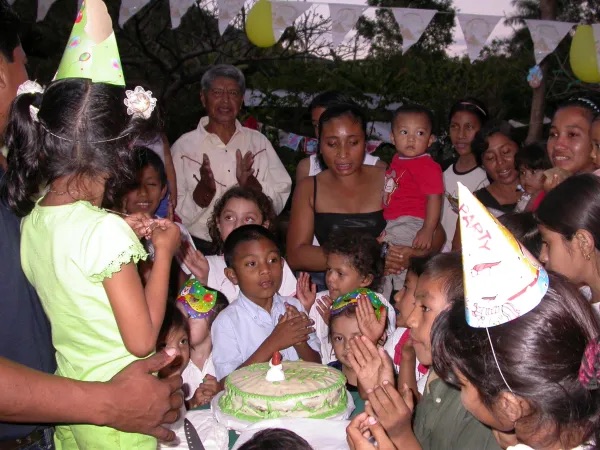
The Birthday Cake and the Pig

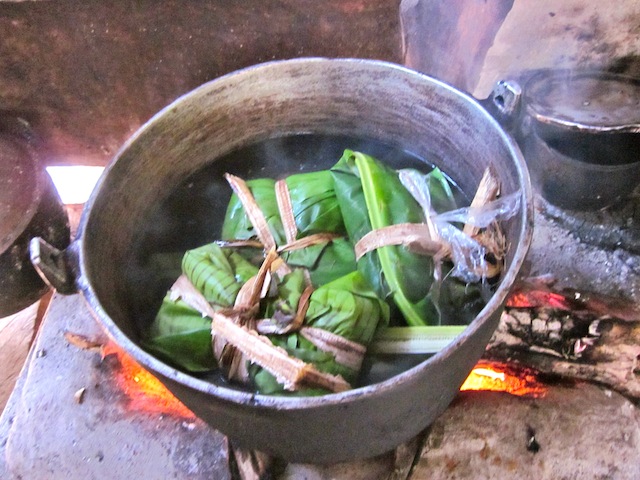
Francisco led me into a dark, dirt-floored cubicle in which a large fat pig was rooting for food under the wooden table. He neglected to tell me that his aunt was the professional cake baker in the community, and she watched me trying to settle into a rhythm of mixing and stirring in a primitive, alien environment.

What It Truly Means to Live on Ometepe

Debbie and Ron arrived with two words of Spanish: Si and No. They left a decade later having been declared family by their neighbors. This is what that journey looked like.

Learning the Language

Learning the Language

They hired a seventeen-year-old to teach them Spanish. He brought notebooks and wrote verb conjugations on paper napkins when they ran out of pages. Debbie learned verbs while cleaning beans, nouns while pointing at goats, and that tone matters more than tense. She also learned that telling a bar full of locals her husband was "tired from fishing" could go very, very wrong when you confuse your conjugation. The men laughed so hard one nearly fell off his stool.

Meanwhile, neighborhood children taught Debbie and Ron that "adiós" doesn't belong to endings. In a village where everyone circles back, it means hello and goodbye, because nothing is final. Language here was not grammar. It was rhythm. And laughter was a complete sentence.

The Library

Biblioteca de La Paloma

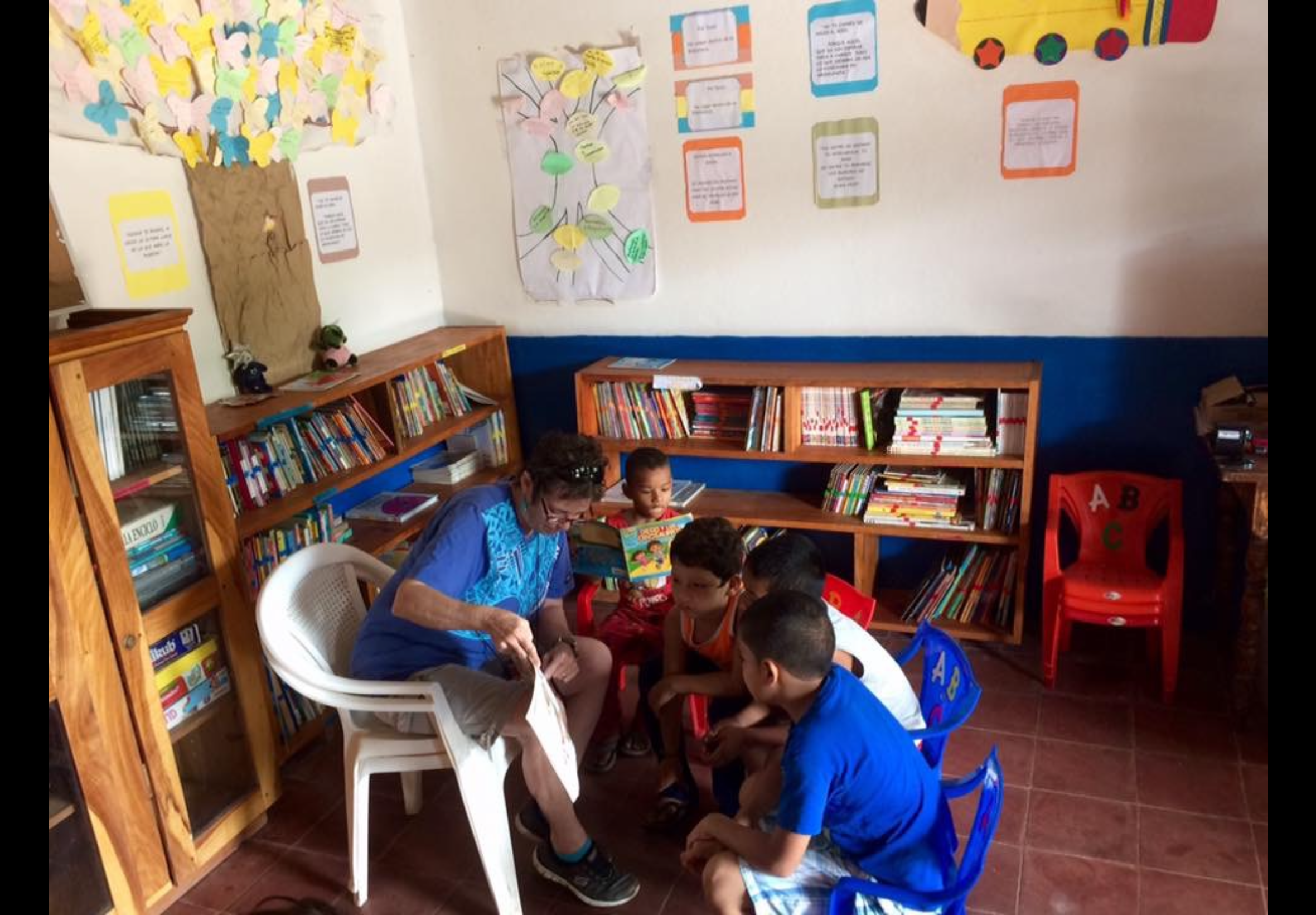
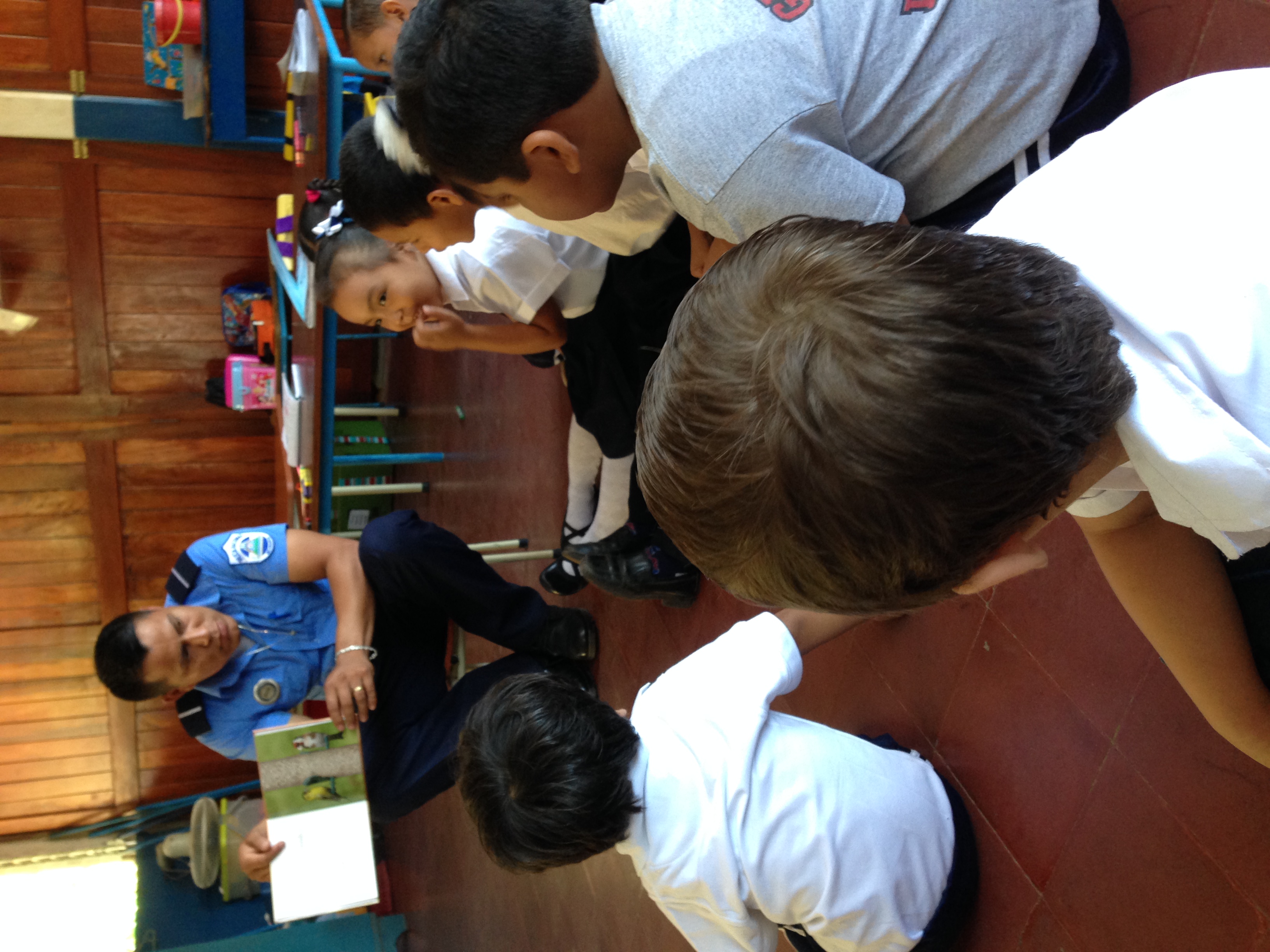
It started with two Spanish children's books carried in a suitcase. The kids read them until the covers fell off. Debbie modified a Liz Claiborne raincoat from Goodwill into a travel vest that could carry fifty pounds of books through airport security. She converted a school bodega, a rice and bean storage room, into a children's library. Fathers built shelves on weekends. Debbie hired Max, her former English student, as librarian. On opening day in November 2014, there were 400 books, a piñata, and a ribbon cutting.

The library taught The Lorax with pigeon pea seeds planted in volcanic dirt. It brought puppet theater and internet access. And when someone broke in and stole the tools and computers that the children had saved for one córdoba at a time, the community rebuilt. The library continued after Debbie and Ron left the island.

La Mujer Mono

La Mujer Mono

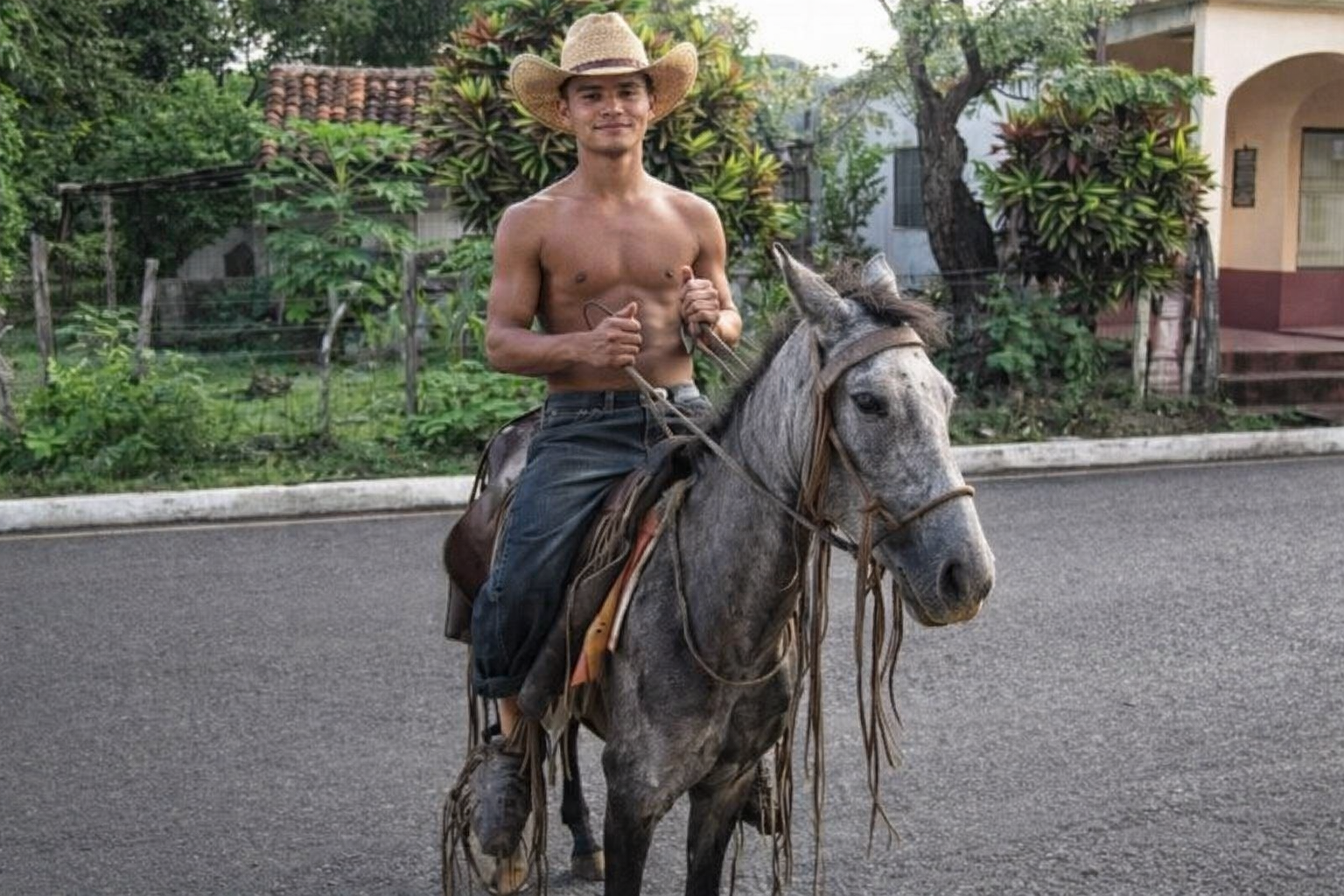
On Ometepe, they tell of La Mujer Mono, the Monkey Woman: a girl from a campo village who was beautiful, stubborn, and certain she knew more than the spirits that guarded the island. She crossed between worlds, and the crossing changed her. "Those who pass between forms," the story goes, "are never entirely one thing or the other again." Debbie heard this legend in her first weeks on the island and filed it away as information. It took her years to understand it was a warning. Or perhaps an invitation.

The Monkey Lady's Gift is named for this legend, not for literal monkeys. It is the story of a woman who crossed between worlds: from Tennessee to a volcanic island, from control to surrender, from the woman with the color-coded calendar to someone who stopped wearing a watch. The crossing changed her. She was never entirely one thing or the other again.

The blog was the living. This book is the reckoning.

Read The Monkey Lady's Gift

Reviews

The Wisdom Gained in Seeking Oneself

The Monkey Lady's Gift by Debbie Goehring is an honest accounting of Debbie's and her husband's experiences on an island in Nicaragua. She tells of following their restless hearts and seeking peace and simplicity. In the seeking, they gained inner strength, wisdom, and peace in knowing more about themselves. Debbie's words of wisdom have made me reflect upon her journey, as well as on my own very different path in life.

Amazon Review · April 1, 2026

Connect with Debbie

Have you read the book? Are you dreaming about leaving the familiar behind? Are you already living abroad and want to compare notes? Debbie and Ron have visited over 80 countries since leaving Ometepe, and the lessons from the island travel with them everywhere.

Whether you want to share how the book moved you, ask about life on Ometepe, or just say hello, reach out. As Debbie learned from her neighbors: adiós is never final.